
Designing for the People Who Deliver Care
Part 2 of a three-part series on addressing Canada’s long-term care challenges
Authors: Mahya Rahmati and Matt Galvin
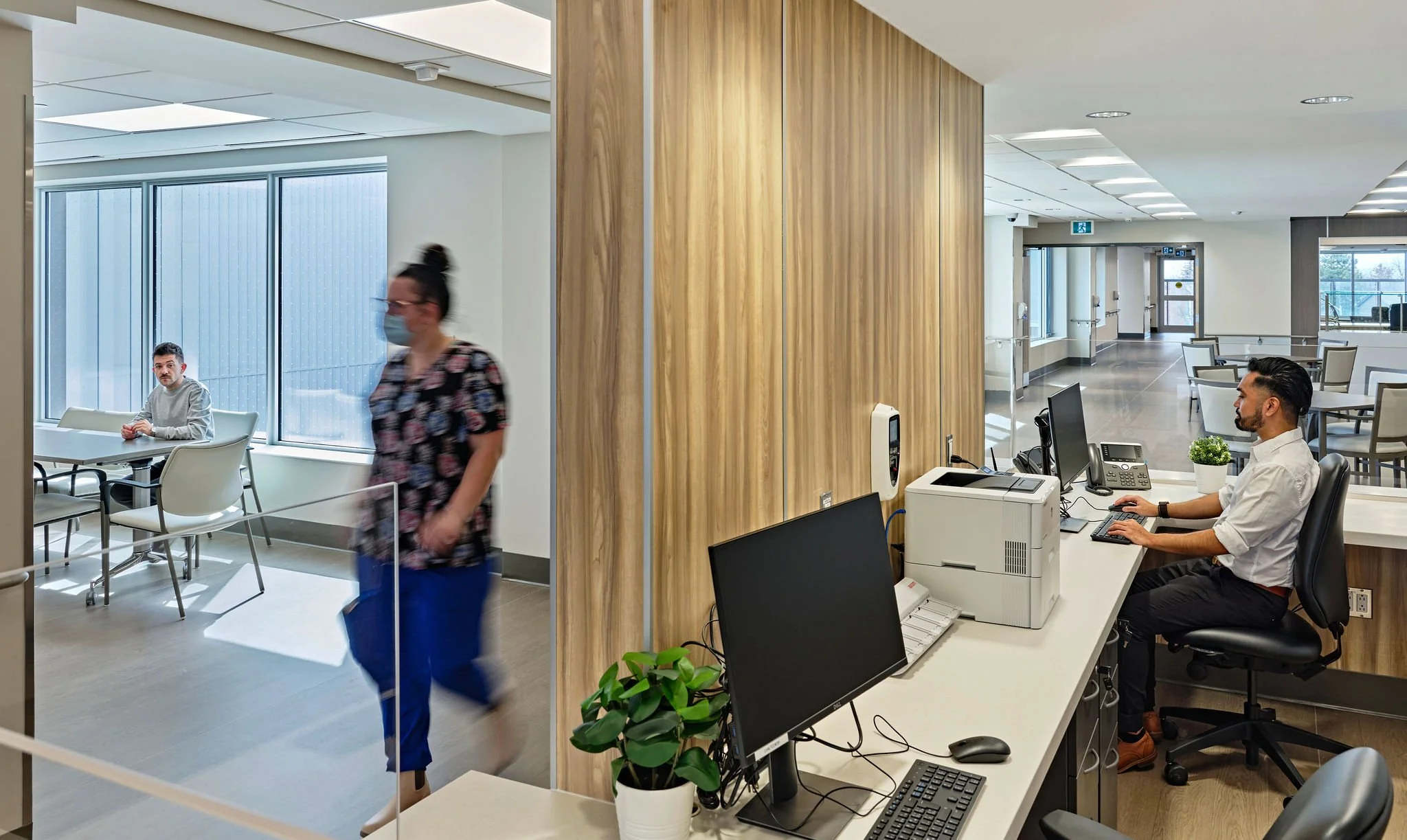
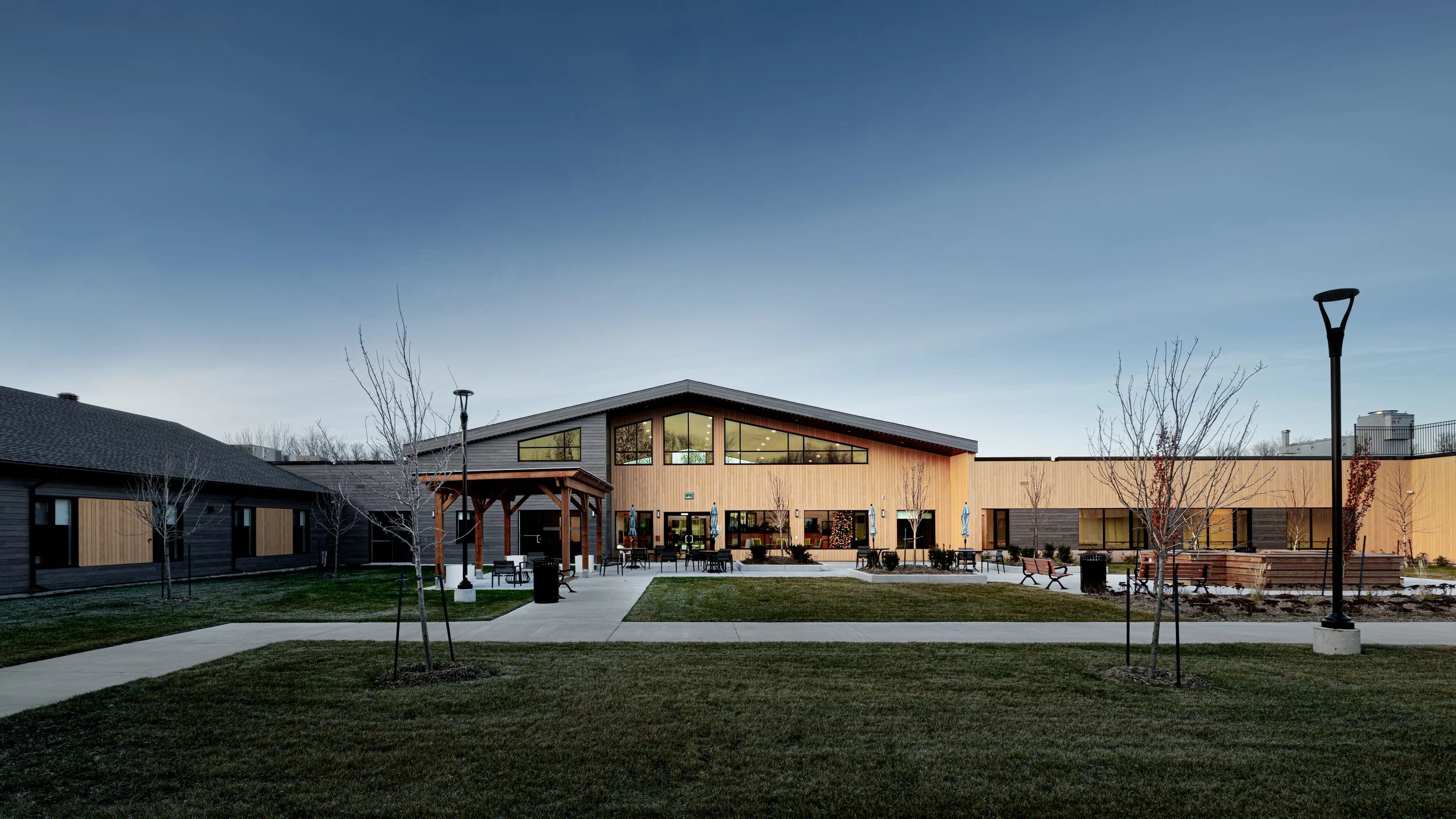
Lakeridge Gardens - Ajax, ON
Resident centric design and staff supportive design are inextricably linked, and staff retention is a critical factor influencing quality of care in long-term care (LTC) homes.
Design decisions can directly affect staff experience, efficiency, and wellbeing.
Access to daylight, efficient layouts, and dedicated staff spaces can support recruitment and retention.
Transit access, safety, and parking also influence the ability to attract staff.
Thoughtful workplace design can strengthen care delivery and improve outcomes for residents.
Canada’s long-term care system is facing a growing workforce challenge. As the population ages and demand for LTC increases, the ability to attract and retain skilled staff has become more challenging. Evidence shows that high-staff retention is directly linked to improved resident outcomes and one of the most important factors influencing the quality-of-care residents receive.
While policy, funding, and workforce training are often central to this discussion, the physical design of care environments also plays an important role. The spaces where staff work everyday shape how efficiently they can perform their duties, how supported they feel in their workplace, and ultimately how well they can care for residents. Thoughtful design can strengthen staff experience, reduce stress and fatigue, and help create an environment where people want to stay.
The Relationship Between Staff Stability and Resident Outcomes
Continuity of care is essential in long-term care. When staff remain in the same workplace over time, they build meaningful relationships with residents and develop a deeper understanding of individual needs and behaviours. This familiarity supports earlier recognition of health changes, more personalized care, and stronger trust between residents, families, and caregivers. Research and operational experience both show that stable staffing contributes to better outcomes. Homes with higher retention often see lower hospitalization rates, fewer medication errors, and improved resident satisfaction. Designing environments that support staff therefore becomes a direct investment in resident wellbeing.
Designing for Attraction: Creating a Workplace Staff Want to Be Part Of
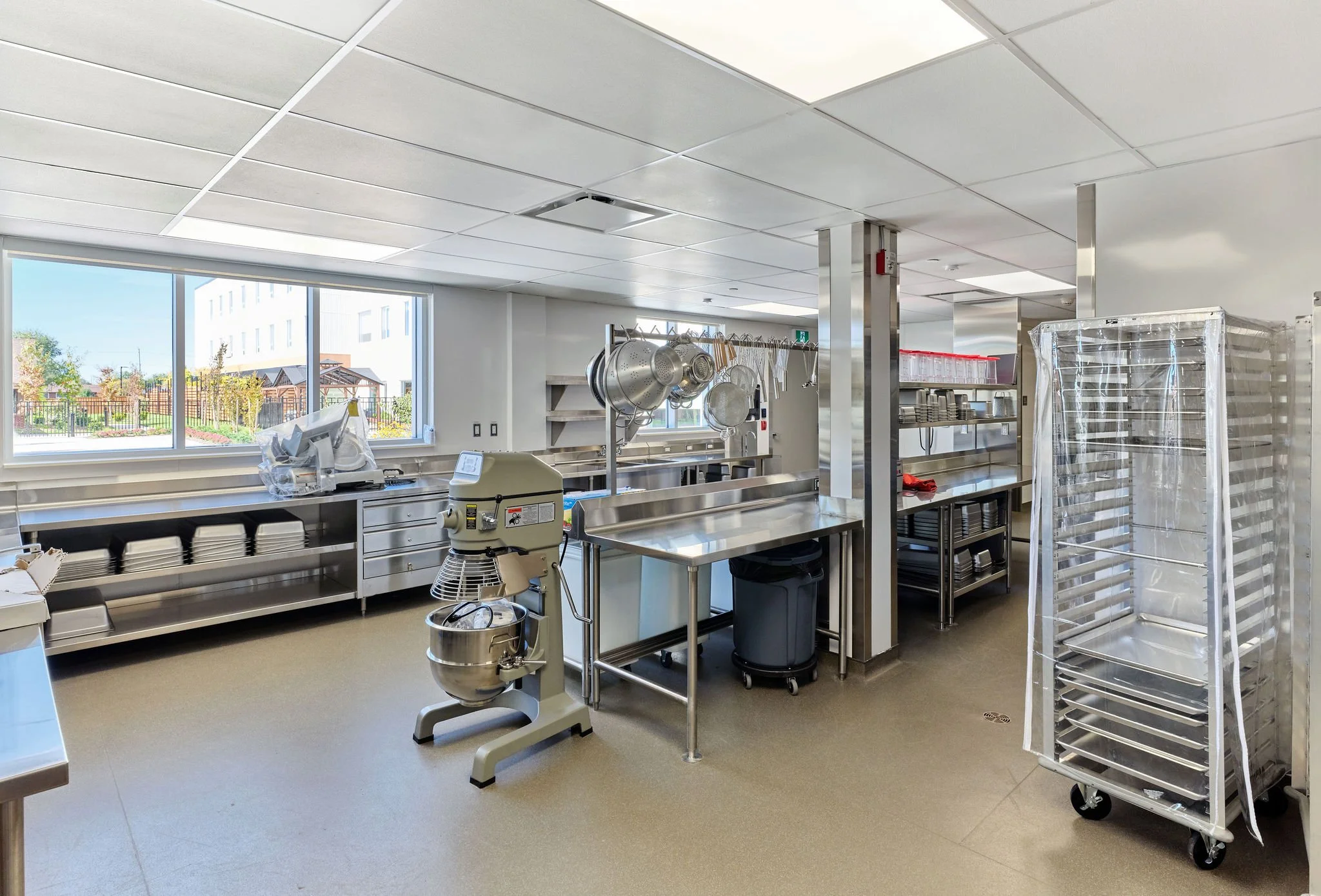
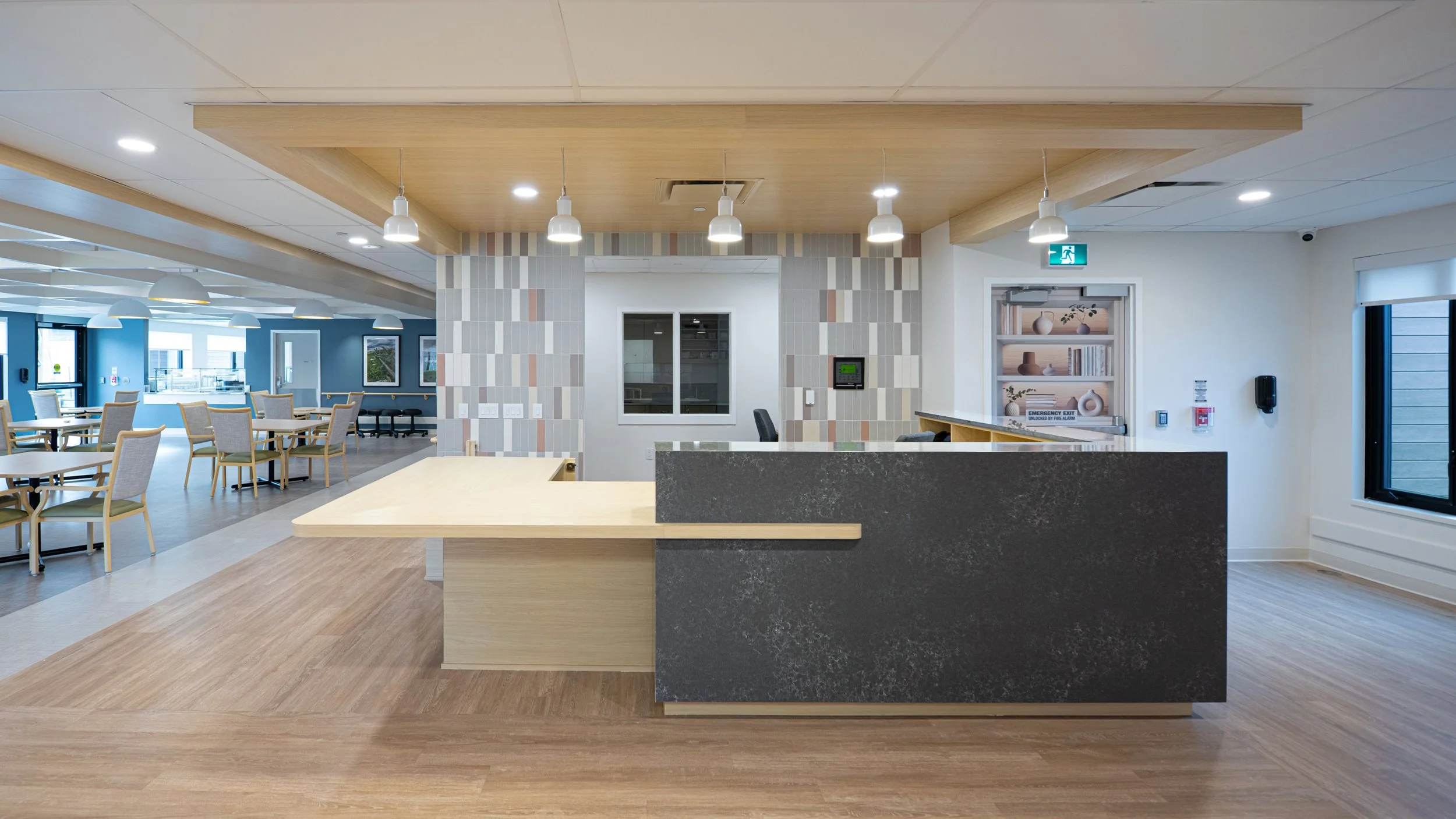
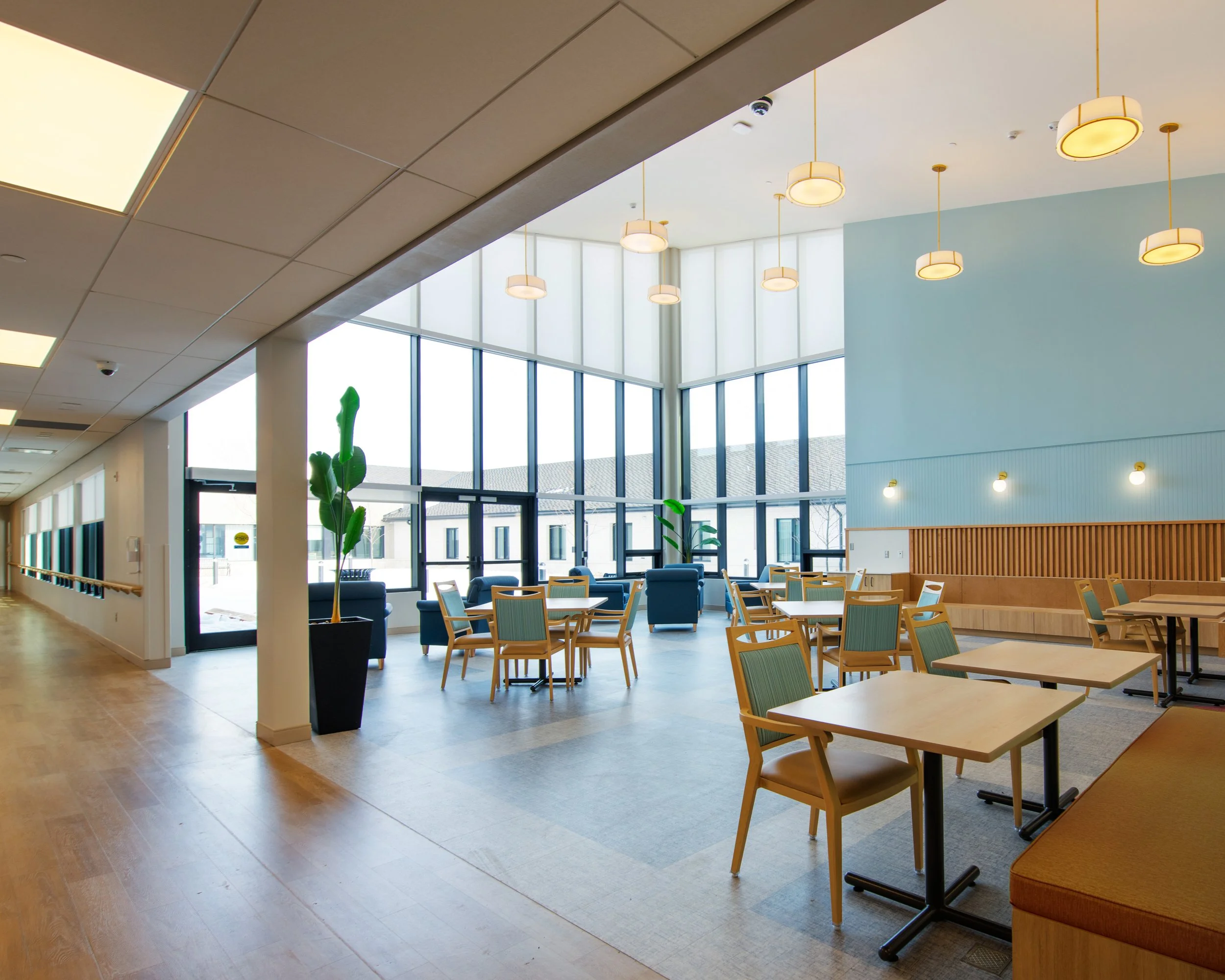
Attracting staff begins with creating environments that feel welcoming, comfortable, and functional. Access to natural light in all workspaces is one of the most impactful design strategies, and easy to implement. In many older homes, back-of-house functions such as kitchens and laundry rooms are often located in basements with little or no daylight. Designing these spaces to areas with windows can significantly improve the daily experience of staff who spend long hours in these environments.
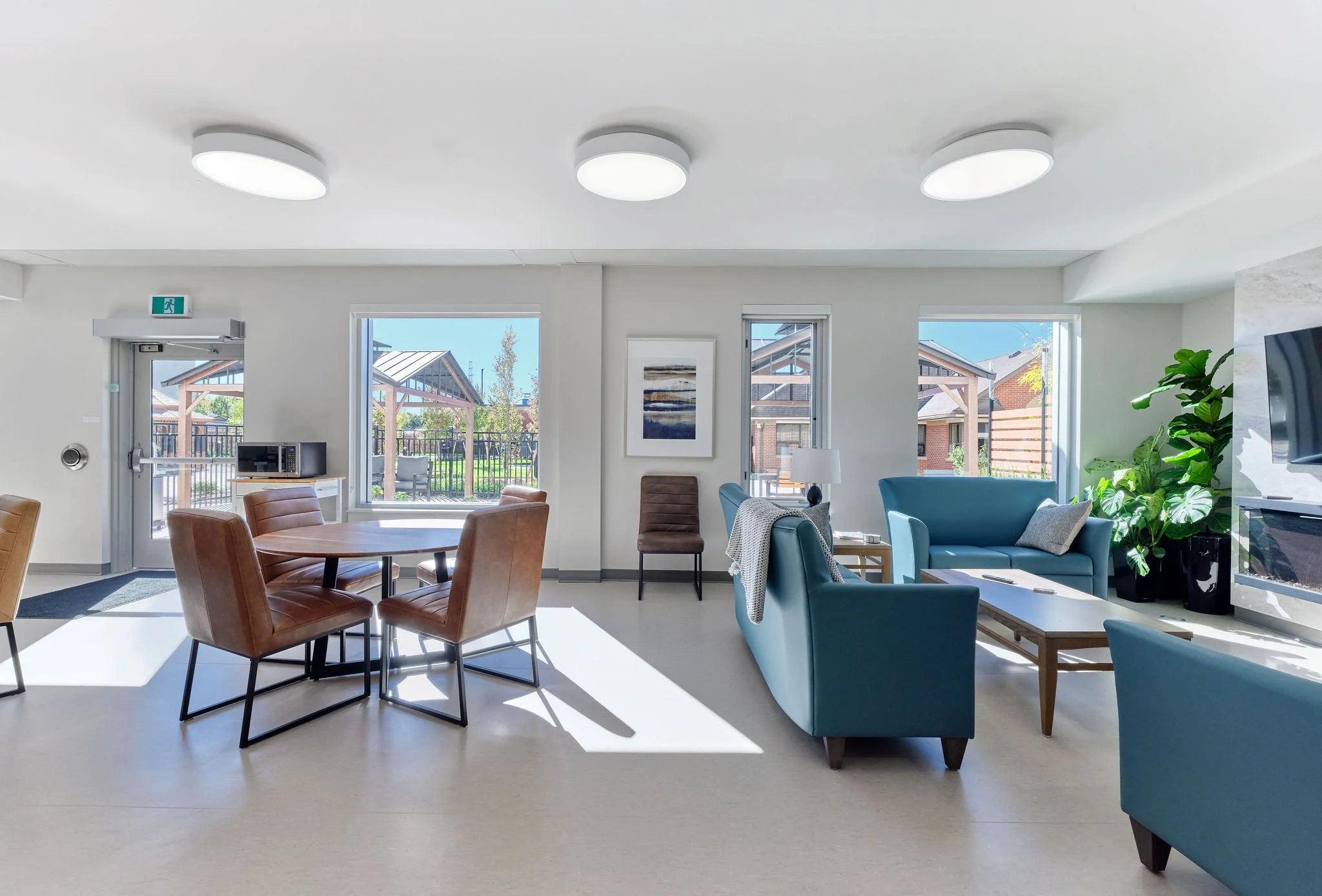
Break quality is an important consideration. In a larger home, one central staff break room could be a long distance from the team member’s place of work. Spending half your break getting to a break space is a morale killer. Having more, decentralized staff break spaces has also been found to be an IPAC feature. Outdoor spaces can also support staff wellbeing. Simple features such as a staff patio or outdoor break area allow employees to step outside during breaks, reset, and return to work feeling refreshed. These types of amenities signal that the wellbeing of staff is valued and considered as part of the building’s design.
Sometimes, the best team members are trained in house. We have seen an increasing trend of including training and education spaces such as “living classrooms” that support professional development and training. Providing areas where staff can learn, collaborate, and develop new skills reinforces the idea that long-term care is a professional environment with opportunities for growth.
Designing for Retention: Efficiency and Visibility
Retention is strongly influenced by how efficiently staff can do their jobs. In long-term care environments, travel distances between key workspaces can significantly affect daily workloads. Long walking distances increase fatigue and reduce the amount of time staff can spend directly with residents.
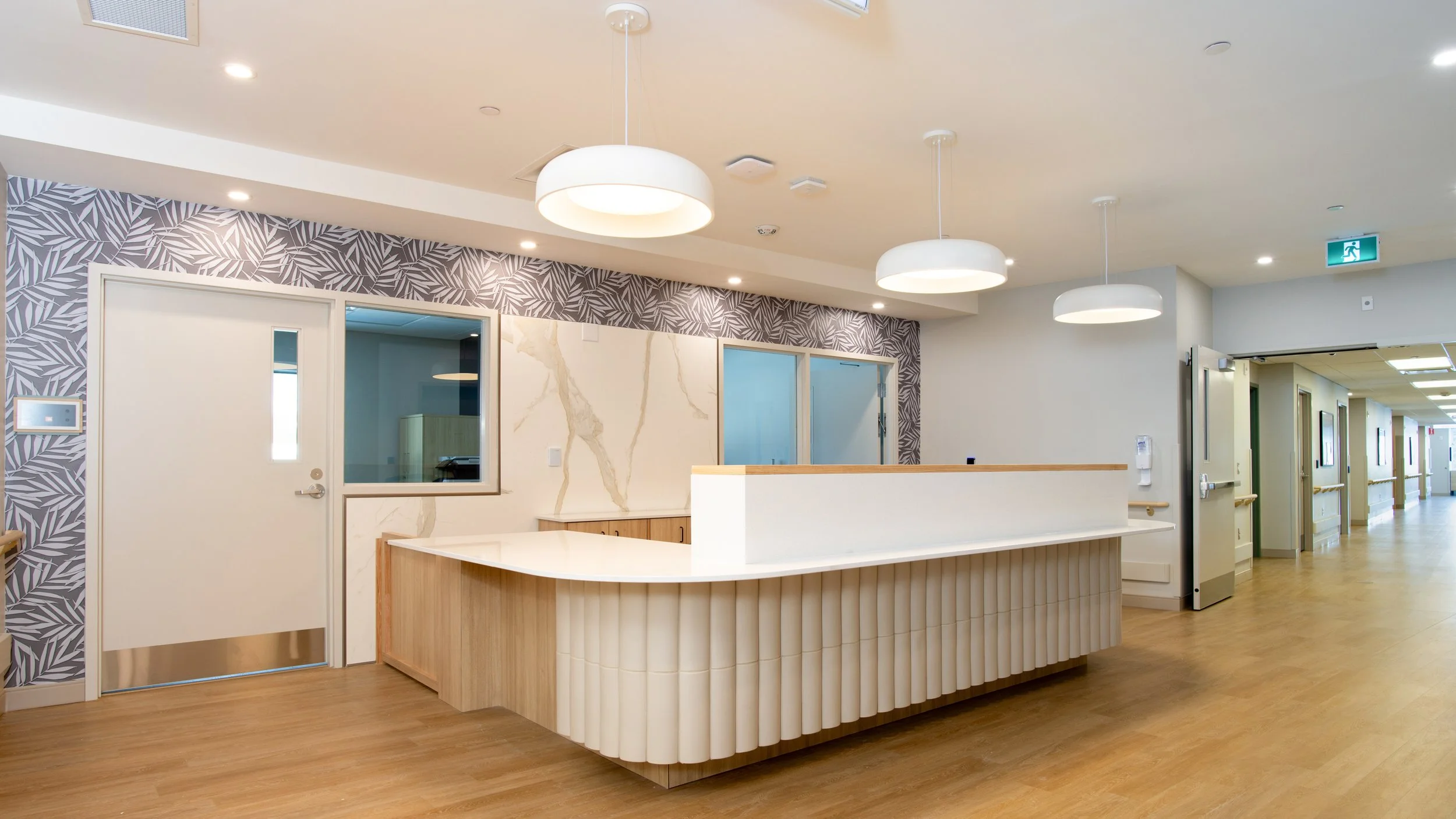
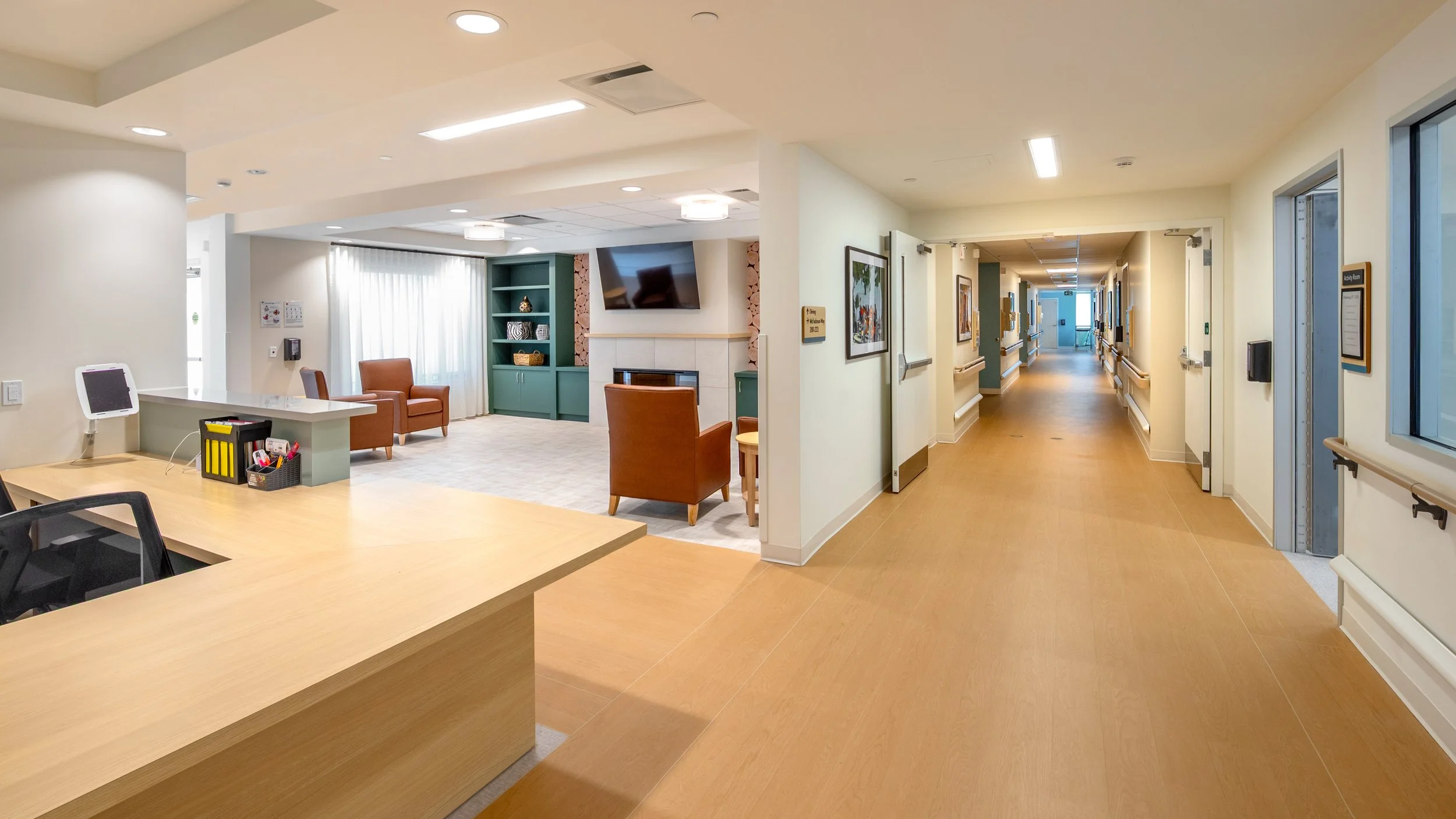
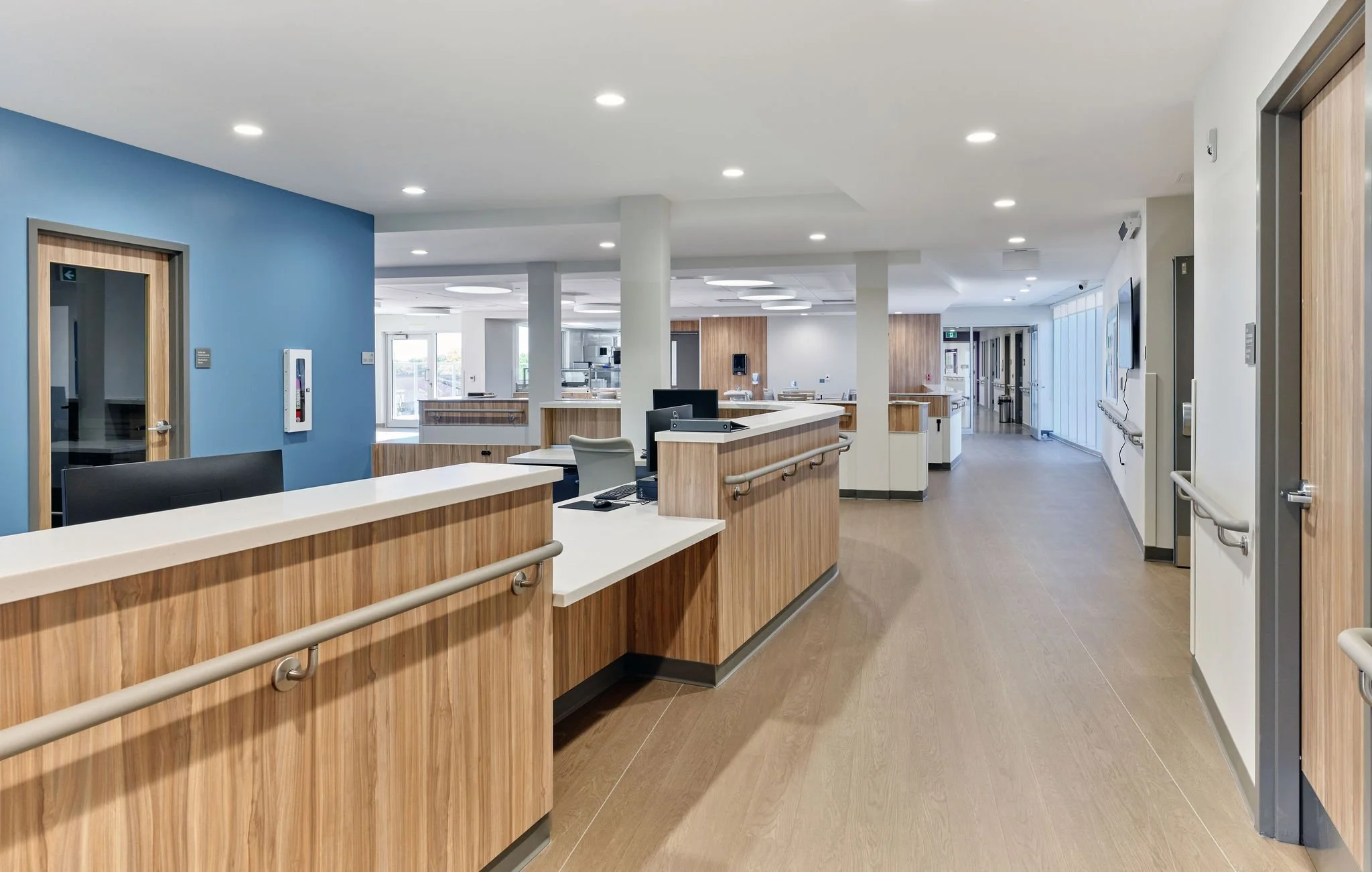
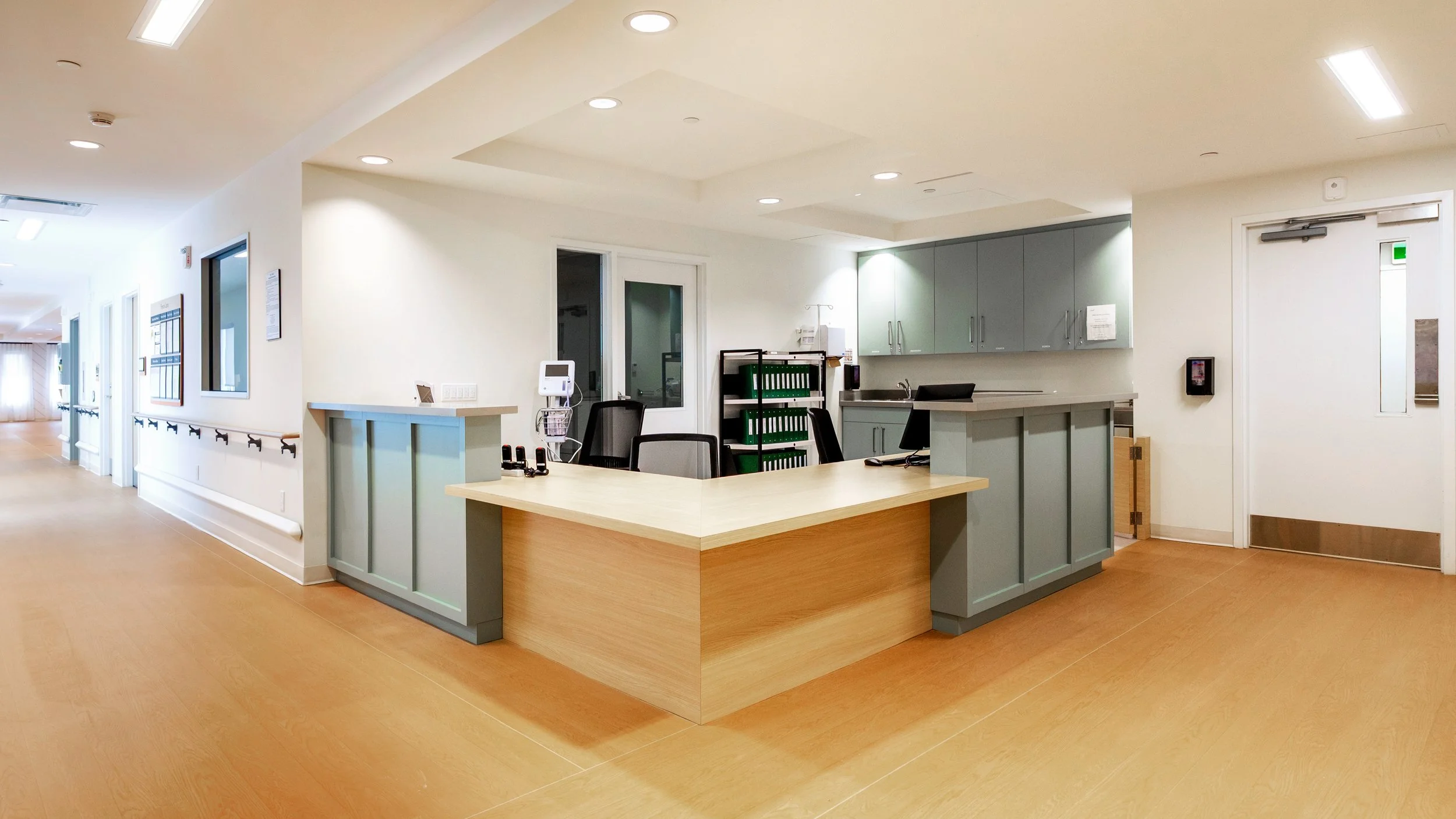
Design strategies that minimize travel distances and create sensible adjacencies between care areas saves a worker time and energy. Equally important are strong sightlines from staff spaces to corridors and shared spaces such as dining and activity rooms. Good visibility supports both safety and responsive care, allowing staff to quickly observe and respond to resident needs.
Any features that can reduce morale-damaging tasks (i.e. double handling of supplies or having to travel a long distance to access key supplies), by use of technology or good space planning, means that the time and energy spent can be spent directly on the residents.
Working in a long-term care home can be physicaly taxing, and the building design can help to minimize workplace injuries, such as designing washrooms with enough space for two caregivers to assist a resident, and carefully considering the use of resident lifts.
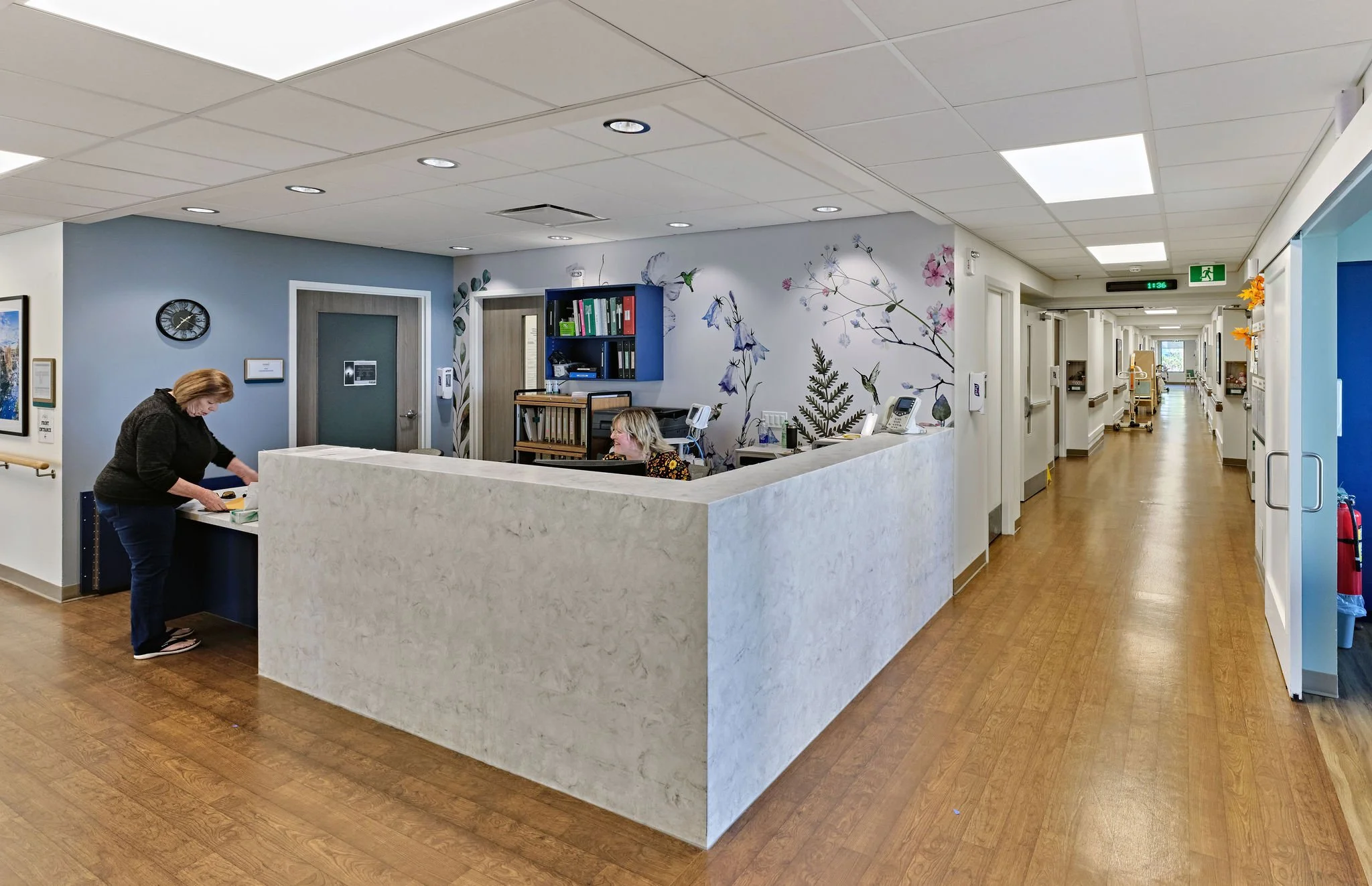
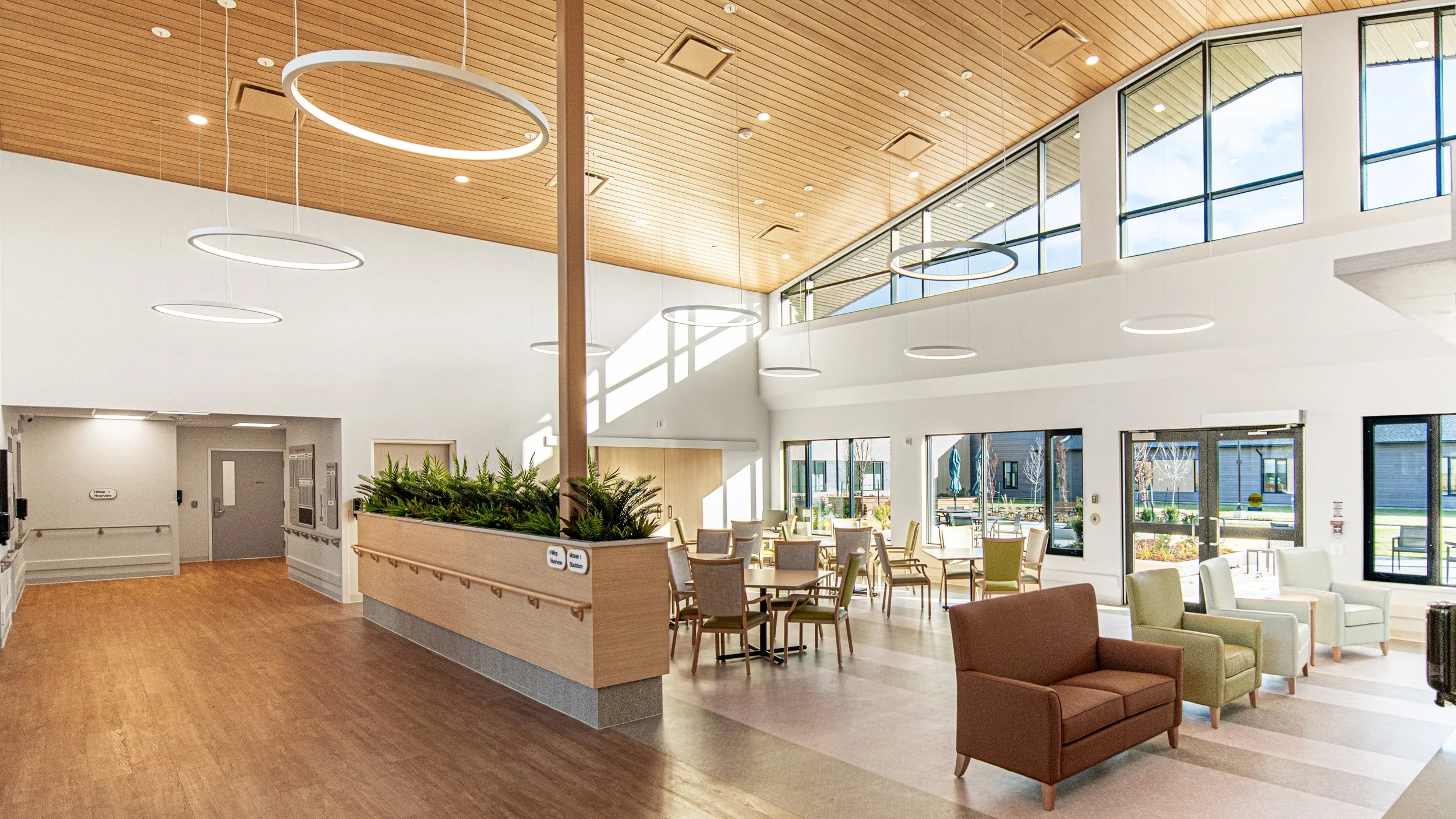
Almonte County Haven Long-Term Care - Almonte, ON
Transit Access and Workplace Accessibility
Even the most thoughtfully designed LTC-home will struggle to recruit staff if it is difficult to reach. Early in the planning of any project – or in site selection - proximity to public transit and the availability of reliable transportation options should be considered
In locations where transit access is limited, adequate parking becomes essential, particularly during shift changes when many staff arrive and depart simultaneously. Parking areas should be well-lit and supported by appropriate security measures such as cameras to ensure staff safety at all hours. Bike parking can also provide an additional transportation option for employees who live nearby. These considerations may seem simple, but they can make a significant difference in a LTC home’s ability to attract and retain staff.
Supporting Mental Health in Care Environments
Working in long-term care can be emotionally and physically demanding. Providing spaces that support mental health and recovery during the workday can help reduce burnout and improve job satisfaction.
Staff wellness rooms are one example. These spaces do not need to be large or elaborate. A small room with natural light, comfortable seating, or basic recreational equipment can provide a quiet place for staff to decompress during breaks.
Environmental strategies also contribute to wellbeing. Acoustic treatments in corridors, dining areas, and lounges can reduce noise levels that contribute to stress. Incorporating biophilic design elements such as plants and natural materials can create a calmer atmosphere, while warm, residential finishes reinforce the home-like character that modern LTC homes strive to achieve.
Closing Perspective
We are building a lot of long-term care homes in this country, and we know there is no shortage of residents to fill them up. However, there is a shortage of workers, and the future of long-term care depends not only on building beds, but on creating environments where skilled professionals want to work.
The staff experience, operational efficiency, and workplace wellbeing are deeply connected to the quality-of-care residents receive.
By considering staff needs from the earliest stages of planning and design, long-term care homes can become workplaces that support recruitment, retention, and long-term career growth. In doing so, they strengthen the entire care ecosystem.